Quick Answer:
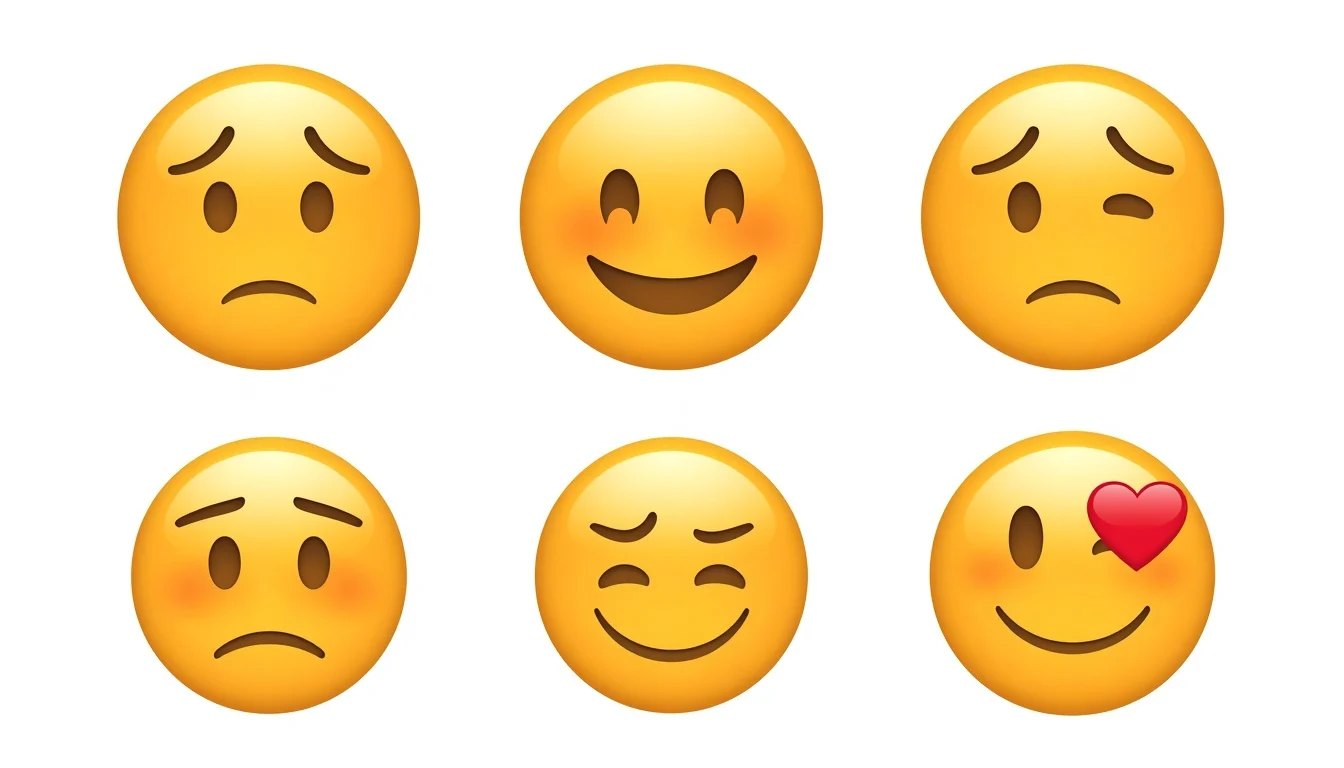
A fake smile emoji represents a smile that may hide sadness, discomfort, frustration, or insincere happiness. The symbols 🙂 and 😬 can suggest a forced or awkward smile, while 😊🎭 more directly represents the idea of wearing a mask to conceal emotions.
The fake smile emoji is a popular way to express feelings that a simple smile cannot fully capture. People often use 🙂 to show politeness, hide disappointment, or respond to an awkward situation without explaining their true emotions. Depending on the conversation, it can represent forced happiness, quiet frustration, sarcasm, or the feeling of smiling on the outside while struggling on the inside. Its meaning can change with the message, relationship, and context in which someone uses it.
If you are looking for the fake smile emoji to copy and paste, understand its meaning, or use it in a text message, this guide will help you find the right expression. You will learn how the fake smile emoji differs from a genuine happy smile, which similar emojis can communicate uncomfortable or mixed feelings, and how people use these symbols in texting, WhatsApp, TikTok, and other social media platforms. Whether you want to express awkwardness, hide your disappointment behind a polite response, or add a subtle sarcastic touch to your message, choosing the right emoji can help communicate the feeling behind your words.
Fake Smile Emojis to Copy and Paste
Copy any of these emojis or combinations for your messages, captions, and status updates.
🙂
Slightly Smiling Face
A polite smile that can seem forced, distant, or sarcastic in context.
Copy
😬
Grimacing Face
An uncomfortable grin, nervousness, or awkwardness.
Copy
😅
Grinning Face with Sweat
Nervous laughter, embarrassment, or relief after an uncomfortable moment.
Copy
😊
Smiling Face with Smiling Eyes
Warmth or happiness; can represent a polite smile in the right context.
Copy
😊🎭
Smiling Behind a Mask
A symbolic combination for hiding feelings behind a happy expression.
Copy
🙂😔
Smiling but Sad
A contrast between an outward smile and an unhappy mood.
Copy
😁😭
Laughing Through Tears
Exaggerated humor about struggling while trying to appear cheerful.
Copy
🙃
Upside-Down Face
Irony, sarcasm, or pretending to take a frustrating situation lightly.
Copy
What Does the Fake Smile Emoji Mean in Texting?
A fake smile in a text message usually suggests that the sender is showing a cheerful expression that may not match how they really feel. However, the emoji alone cannot tell you whether someone is genuinely upset or simply joking.
Here are the main interpretations.
1. Pretending to Be Happy
Someone may use a smile emoji to show that they are acting cheerful even though they feel sad, tired, or disappointed.
Example: “I’m fine, don’t worry about me 🙂”
Possible meaning: The sender may be trying to sound okay without explaining their feelings. They might also genuinely be fine, so the surrounding conversation matters.
2. Hiding Frustration
The slightly smiling face 🙂 can feel passive-aggressive when it follows an argument, an unwanted request, or disappointing news.
Example: “Sure, I’ll do everything myself again 🙂”
Possible meaning: The sender may feel annoyed but is expressing it indirectly through a polite-looking smile.
3. Feeling Awkward or Uncomfortable
The grimacing face 😬 is useful when you want to show an uncomfortable smile rather than a cheerful one.
Example: “I waved at someone who wasn’t waving at me 😬”
Possible meaning: Embarrassment and awkwardness, with a little humor.
4. Laughing to Hide Nervousness
The grinning face with sweat 😅 can express nervous laughter when a situation feels uncomfortable or when you are relieved that something worked out.
Example: “I almost sent that message to the wrong person 😅”
Possible meaning: The sender feels embarrassed, nervous, or relieved.
5. Smiling Through Sadness
A combination such as 🙂😔 or 😊🎭 can represent the difference between the face someone shows and the emotions they keep private.
Example: “Everyone thinks I’m doing great 😊🎭”
Possible meaning: The person is using a symbolic mask to suggest that their outward happiness does not tell the whole story.
Related Emojis and Their Meanings
These emojis have different expressions and can communicate a fake smile, awkwardness, sarcasm, or hidden emotions depending on context.
| Emoji | Official Name | Common Meaning | Tone | When to Use It |
|---|---|---|---|---|
| 🙂 | Slightly Smiling Face | Polite or restrained smile | Neutral or potentially sarcastic | Awkward replies or restrained reactions |
| 😬 | Grimacing Face | Discomfort or nervousness | Awkward | Embarrassing moments |
| 😅 | Grinning Face with Sweat | Nervous laughter or relief | Lighthearted | Small mistakes and close calls |
| 😊 | Smiling Face with Smiling Eyes | Warmth and friendliness | Warm | Friendly messages or gentle reassurance |
| 🙃 | Upside-Down Face | Irony or sarcasm | Playful or ironic | Frustrating situations treated as jokes |
| 😐 | Neutral Face | Little visible emotion | Flat or unimpressed | Neutral reactions or mild irritation |
| 😏 | Smirking Face | Slyness or smugness | Mischievous or suggestive | Knowing jokes or teasing |
| 😢 | Crying Face | Sadness or disappointment | Sad | Expressing hurt or emotional distress |
| 🎭 | Performing Arts | Masks or acting | Symbolic or theatrical | Representing a hidden persona or false appearance |
The most important distinction is between a restrained smile and an uncomfortable grin. 🙂 can appear polite or sarcastic, while 😬 more clearly suggests tension or discomfort. 😅 adds nervous laughter, and 😊 generally looks warmer and more sincere. The 🎭 symbol can make the idea of pretending or hiding feelings more explicit when paired with a smiling emoji.
Fake Smile Emoji Examples for Text Messages
The same emoji can communicate different emotions depending on the words around it. These examples show how you can use fake-smile symbols naturally.
POLITE BUT POSSIBLY ANNOYED
“No problem, I’ll handle it 🙂”
The smile may soften the response, or it may hint at frustration if the person has been asked to do too much.
Copy message
AWKWARD SMILE
“That conversation got weird really fast 😬”
The grimacing face shows discomfort while keeping the message casual.
Copy message
NERVOUS LAUGHTER
“I forgot about the meeting until five minutes ago 😅”
The emoji adds embarrassment and makes the confession feel less serious.
Copy message
HIDING EMOTIONS
“I keep saying I’m okay 😊🎭”
The mask combination suggests that the speaker may be concealing their real feelings.
Copy message
SARCASM
“Another deadline moved forward. Perfect 🙃”
The upside-down face signals irony, suggesting that the news may not be welcome.
Copy message
Fake Smile Emoji Combinations for Captions and Status Updates
Emoji combinations can communicate a more specific mood than a single face. Here are some ready-to-copy options for captions, bios, messages, and posts.
| Combination | Suggested Meaning |
|---|---|
| 😊🎭 | Hiding true feelings behind a smile |
| 🙂😔 | Smiling despite sadness |
| 😁😭 | Laughing while struggling emotionally |
| 😅💔 | Trying to stay cheerful after heartbreak |
| 🙂💢 | Polite-looking frustration |
| 😬👍 | An uncomfortable agreement |
| 😊💧 | A smile mixed with sadness |
| 🎭😢 | Concealed sadness or an emotional mask |
These are informal combinations, not official Unicode emoji names or fixed definitions. You can use them creatively to express a mood, but readers may interpret them differently.
Fake Smile Emoji Captions
- “Smiling on the outside, thinking a thousand things inside 🙂”
- “Sometimes a smile says less than people think 😊🎭”
- “Trying to keep it together, one smile at a time 😅”
- “Everything is fine… apparently 🙂”
- “A little smile, a lot going on 🙃”
- “Not every smile tells the whole story 😊💧”
These captions work best when you want to express irony, emotional complexity, or a difficult day without spelling out every detail.
How to Choose the Right Fake Smile Emoji
Choose the emoji based on what you want to communicate rather than assuming that every smile represents hidden sadness.
- Use 🙂 for a restrained, polite, or potentially sarcastic smile.
- Use 😬 for an uncomfortable grin or an awkward situation.
- Use 😅 when you are nervous, embarrassed, or laughing with relief.
- Use 😊 for a friendly smile that feels warm and reassuring.
- Use 🙃 for irony or when you are joking about a frustrating situation.
- Use 😊🎭 when you want to symbolize hiding your feelings behind a smile.
If you are messaging someone about a serious issue, clear words are usually more helpful than relying on an ambiguous emoji.
FAQs
What is the fake smile emoji?
There is no official emoji called “Fake Smile.” The 🙂 Slightly Smiling Face and 😬 Grimacing Face are common options for conveying a restrained or uncomfortable smile. The combination 😊🎭 can represent a smile that hides feelings.
What does 🙂 mean when someone sends it?
It may express politeness, friendliness, acknowledgment, or restrained emotion. In a tense conversation, it can also seem sarcastic or passive-aggressive. The words and relationship between the people involved help clarify the intended tone.
Which emoji represents smiling while sad?
The combination 🙂😔 can symbolize smiling despite sadness. You can also use 😊💧 to suggest a smile mixed with tears. These are creative combinations rather than official emoji meanings.
Is 😅 a fake smile emoji?
It can be used to represent a nervous or forced-looking smile, but its official name is Grinning Face with Sweat. It commonly conveys nervousness, embarrassment, or relief rather than necessarily indicating deception.
What does 😊🎭 mean?
This combination can symbolize hiding emotions behind a cheerful expression. The smiling face represents the outward appearance, while the performing arts masks suggest acting or concealing feelings.
Can 🙂 be passive-aggressive?
Yes, it can be interpreted that way when the surrounding words sound annoyed, dismissive, or sarcastic. However, some people use it as a simple, polite smile, so it should not automatically be treated as a sign of anger.
Conclusion
The fake smile emoji can represent awkwardness, hidden sadness, forced happiness, or quiet frustration. 🙂, 😬, and 😅 are useful for different kinds of uncomfortable smiles, while 😊🎭 and 🙂😔 can suggest a contrast between outward expression and inner feelings. Choose the combination that best matches your intended message, and remember that context matters more than the emoji alone.
Read More Articles
- Suicide Emoji | Meaning, Symbolism and How People Use It Online In 2026
- Anchor Emoji | Symbolism, Combinations and Creative Examples In 2026

Michael Anderson is a content writer at EmojissLife.com, where he creates fun, relatable, and easy-to-read emoji guides, meanings and creative ideas. He enjoys turning everyday conversations into expressive content that helps readers find the perfect emojis for every mood and moment.
2 thoughts on “Fake Smile Emoji | Collection, Express Awkwardness, Sadness and Fake Happiness In 2026”