
Quick Answer:
3D emoji refers to emoji style characters or graphics that use three dimensional effects to create depth and a rounded appearance. They generally express the same emotions as their standard counterparts, but their visual style can make a design feel more playful, bold, or expressive.
Emoji 3D designs bring ordinary emojis to life with realistic shapes, expressive faces, vibrant colors, and eyen catching effects. Unlike traditional flat emojis, 3D emojis often feature depth, shadows, highlights, and detailed textures that make them look more lifelike. From smiling faces and laughing expressions to hearts, animals, and playful characters, these designs offer a creative way to express emotions and add personality to digital conversations.
Whether you want to use 3D emojis in messages, create eye catching social media posts, design custom stickers, or explore new emoji styles, there are plenty of options to discover. Many online tools and design apps make it easy to find or create 3D emoji artwork for different purposes. In this guide, you will explore popular 3D emoji styles, learn how they differ from standard emojis, and discover practical ways to use them in your digital content.
What Are 3D Emojis?
A 3D emoji is a graphic that gives a familiar emoji a sense of physical form. Designers create this effect using lighting, shadows, reflections, textures, and curved surfaces.
A standard emoji often looks like a small, flat illustration on a screen. A 3D version may look like a soft rubber toy, a shiny plastic figure, or a rounded object with realistic highlights.
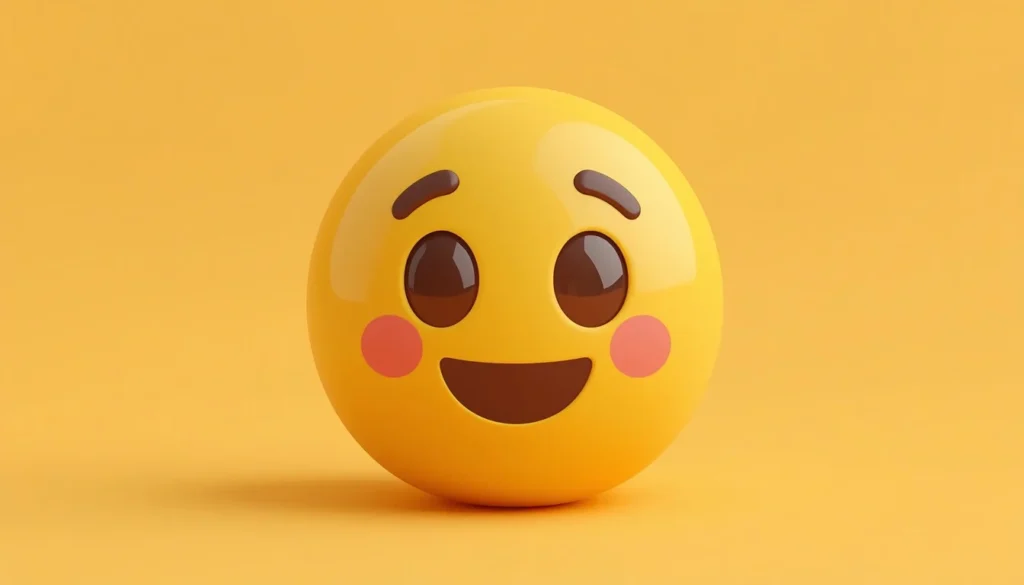
Common features of 3D emoji designs include:
- Depth and volume: Shapes appear raised or rounded rather than flat.
- Lighting and shadows: Highlights and shadows make objects appear dimensional.
- Glossy or matte textures: Surfaces may resemble plastic, rubber, glass, or soft materials.
- Expressive details: Eyes, mouths, and other features can appear more pronounced.
- Optional animation: Some emoji-style graphics move, bounce, rotate, or change expression.
Not every 3D emoji is animated. A static 3D graphic can look dimensional without moving at all.
What Do 3D Emojis Mean?
The visual style does not usually change an emoji’s basic meaning. A three-dimensional smiling face still suggests happiness or friendliness, while a 3D heart commonly expresses love or affection.
The effect depends on the design and the situation. A large, glossy heart may stand out more in a greeting card than a small heart in a text message. However, appearance alone does not prove that a sender feels a stronger emotion.
Here are some common examples.
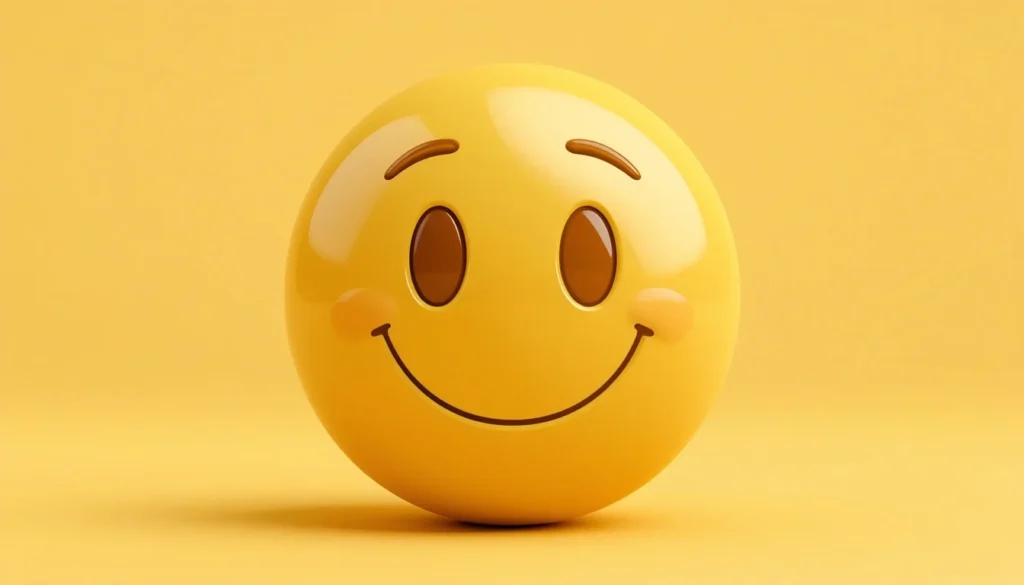
😀 3D Smiling Face
Expresses happiness, friendliness, or a cheerful reaction. It works well in greetings, positive messages, and welcoming designs.
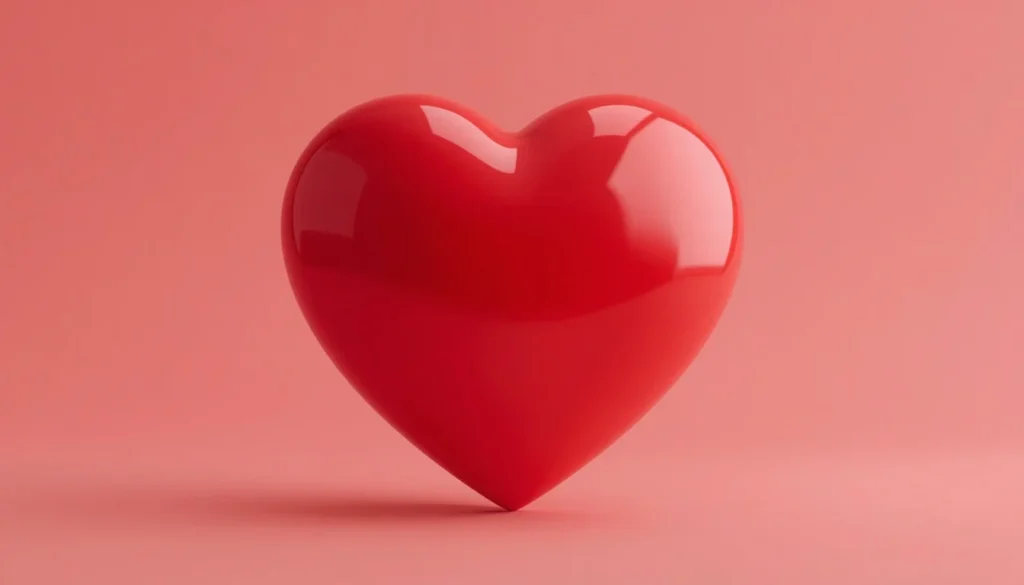
❤️ 3D Red Heart
Represents love, affection, appreciation, or support. Its meaning depends on the relationship and surrounding message.
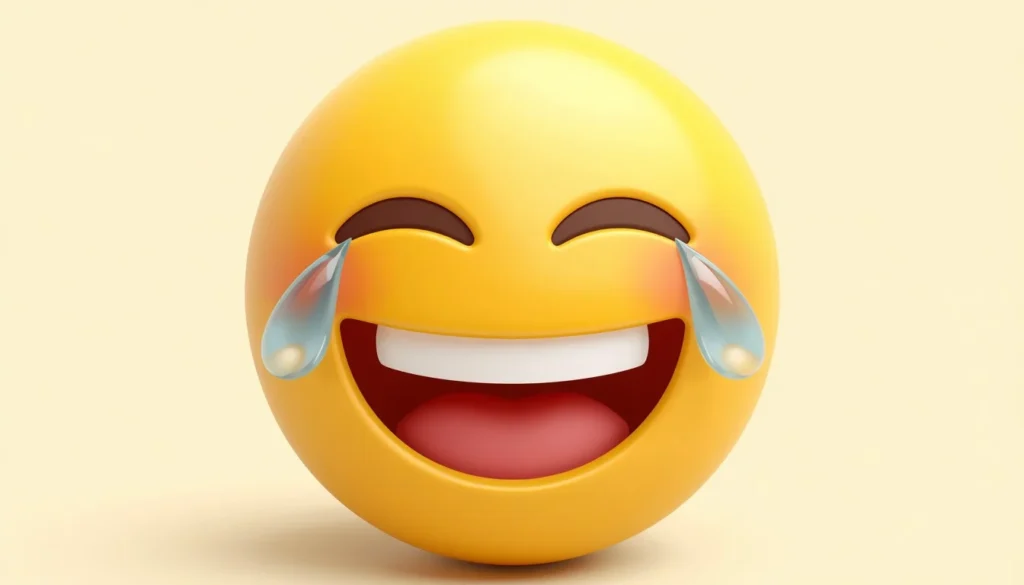
😂 3D Face with Tears of Joy
Communicates laughter or amusement. It suits funny captions, jokes, and playful conversations.
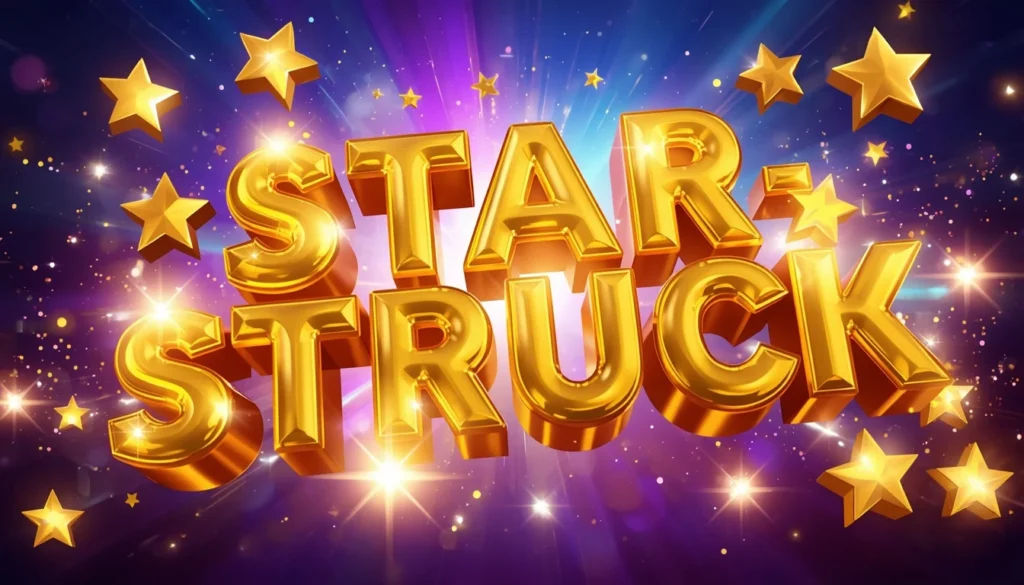
🤩 3D Star-Struck
Shows amazement, excitement, or admiration. It can accompany impressive achievements, beautiful designs, or exciting news.
These examples illustrate common interpretations, not fixed rules. The words around an emoji and the relationship between the people communicating remain important.
3D Emojis vs. Regular Emojis
The main difference is the visual presentation, not necessarily the meaning.
| Feature | Regular emoji | 3D emoji |
|---|---|---|
| Appearance | Often flat or lightly shaded | Rounded with visible depth |
| Design | Simple, compact illustration | May include detailed lighting and textures |
| Meaning | Depends on the emoji and context | Usually preserves the same basic meaning |
| Animation | Depends on the app or platform | May be static or animated |
| Copy and paste | Unicode characters generally work across supported platforms | A graphic or model may need a separate file |
| Best use | Everyday texting and quick reactions | Creative designs, illustrations, stickers, and visual projects |
A standard emoji is often the easiest option for ordinary messaging. A 3D graphic may be more suitable when appearance is central to the design.
Related Emojis and Their Meanings
These familiar emojis can be recreated in three-dimensional styles. Their standard characters remain useful for everyday messages, while 3D artwork offers another way to present them visually.
| Emoji | Official Name | Common Meaning | Tone | Typical Use |
|---|---|---|---|---|
| 😀 | Grinning Face | Happiness and friendliness | Cheerful | Greetings and positive reactions |
| 😍 | Smiling Face with Heart-Eyes | Love or admiration | Affectionate | Compliments and enthusiastic reactions |
| 😂 | Face with Tears of Joy | Strong laughter | Playful | Jokes and funny situations |
| 🤩 | Star-Struck | Amazement and excitement | Enthusiastic | Impressive achievements |
| 🥳 | Partying Face | Celebration | Festive | Birthdays and special occasions |
| 😎 | Smiling Face with Sunglasses | Confidence or coolness | Casual | Success and playful confidence |
| ❤️ | Red Heart | Love and care | Warm | Affection and appreciation |
| 🔥 | Fire | Excitement, attractiveness, or excellence | Energetic | Compliments and impressive work |
The most important distinction is the expression each symbol communicates. For example, 😍 emphasizes affection or admiration, while 🤩 focuses more on amazement. 😂 signals laughter, whereas 🥳 is associated with celebrations.
You can use these characters as text or create separate 3D illustrations based on their designs. Copying the standard character does not automatically transfer the three-dimensional artwork.
How to Copy and Paste 3D Emojis
If you want to use 3D emojis in a message or post, first decide whether you need a standard emoji character or an actual 3D graphic.
Option 1: Copy Standard Emojis
You can copy these emoji characters directly:
😀
Copy
😍
Copy
😂
Copy
🤩
Copy
🥳
Copy
😎
Copy
❤️
Copy
🔥
Copy
Select an emoji to copy its standard character. Its appearance depends on the device or app where you paste it.
These are ordinary Unicode emojis, not actual 3D image files.
Option 2: Use 3D Emoji Images or Stickers
If you need the rounded, glossy appearance, use an image or sticker supported by your app.
- Find or create a 3D emoji graphic that suits your project.
- Check whether the file is a PNG, WebP, GIF, or another supported format.
- Save or copy the graphic using the available options.
- Insert it into your design, message, or social media post.
- Preview it to make sure the image displays correctly.
A static PNG may preserve the 3D appearance, but it will not move. Animated stickers or GIFs can include movement when the destination app supports them.
Option 3: Download 3D Emoji Models
If you’re creating a game, illustration, animation, or virtual environment, you may need an actual 3D model rather than an image.
Google has introduced its Noto 3D emoji collection and made its 3D models available as open source assets for creative projects.
Where Can You Use 3D Emojis?
3D emoji graphics can work in many types of digital content. The best format depends on whether you need a simple reaction, a decorative image, or a model that can be viewed from different angles.
Text Messages and Chats
Standard emojis are usually the most practical choice for everyday conversations. If your messaging app supports animated stickers, you may be able to use a more dimensional version.
For example:
- “That was hilarious 😂”
- “Congratulations! 🥳”
- “This looks amazing 🤩”
- “Thanks for everything ❤️”
These examples use regular emoji characters. Their appearance may vary depending on the device and software.
Instagram, TikTok, and Other Social Media
Three-dimensional emoji artwork can add visual interest to social posts, short videos, thumbnails, and stories.
You could use a glossy heart in a celebration graphic, a 3D laughing face in a comedy thumbnail, or a star-struck face in a reaction video.
Keep the artwork relevant to the message. Too many decorative graphics can make a design feel cluttered, particularly when the image already contains text and other visual elements.
Graphic Design and Digital Art
Designers can use 3D emojis in:
- Blog featured images and thumbnails
- Posters and digital invitations
- Presentation slides
- Stickers and decorative illustrations
- Game interfaces and virtual environments
- Educational graphics and social media templates
For professional projects, choose consistent lighting, colors, and proportions so the emojis look like part of the same design.
How to Create Your Own 3D Emoji
You do not always need advanced 3D software to create a dimensional emoji effect. The method depends on how realistic or interactive you want the result to be.
1. Use a 3D design tool
Build a rounded shape, add facial features, and apply materials, lighting, and shadows. This approach provides more control over the final model.
2. Apply a 3D effect to a graphic
Some illustration and image-editing tools can create depth through gradients, highlights, shadows, and bevel effects.
3. Use a ready-made asset
Start with a suitable emoji image, sticker, or licensed model. This is often the simplest choice for a blog graphic or social media post.
When creating a design, make sure the expression stays recognizable at small sizes. Strong shadows and tiny details may look impressive in a large image but become difficult to see in a thumbnail.
Why Do 3D Emojis Look Different on Different Devices?
Emoji artwork is not identical across every operating system and application. Companies can design their own visual representations of standard Unicode emoji characters, so the same character may have different colors, proportions, expressions, or shading.
Google’s Noto 3D work illustrates how a familiar emoji can be redesigned as a three-dimensional model. The company also describes the challenges of maintaining recognizable expressions and making detailed designs work at small sizes.
Three differences are especially important:
- Artwork: One version may look glossy, while another looks flat or softly shaded.
- Compatibility: An app may support a sticker or model format that another app cannot display.
- Animation: Movement may work in one application but disappear when the asset is exported as a still image.
If you need the same appearance everywhere, exporting the design as an image is often more reliable than sending a Unicode character. If you need an interactive model, check that the receiving software supports its format.
Common Problems With 3D Emojis
Why does my 3D emoji turn flat when I paste it?
You may be copying the Unicode character rather than the original image or model. Unicode characters are rendered according to the receiving platform’s emoji design. To preserve the artwork, transfer the image or supported sticker file instead.
Why won’t my 3D emoji move?
A three-dimensional appearance does not automatically mean an emoji is animated. A static image can show depth without movement. Use an animated format or a compatible interactive model if motion is required.
Can I use 3D emojis on any phone?
You can generally use standard Unicode emojis on supported phones and apps, but the exact 3D artwork may not be available everywhere. Separate images and stickers can work across more devices, provided the receiving app supports the file format.
Are 3D emojis official Unicode emojis?
Not as a separate category. Unicode defines emoji characters and sequences, while platforms and designers determine how those characters are visually represented. A 3D graphic can be based on a standard emoji without becoming a new Unicode character.
FAQs
What is the difference between 3D emoji and 3D stickers?
A 3D emoji is an emoji-style graphic with dimensional effects. A 3D sticker is a broader category of decorative graphic that may include emojis, characters, objects, and text. Some sticker packs contain 3D emojis, but not every sticker is an emoji.
Can I download 3D emojis for free?
Some creators and projects provide free 3D emoji assets. Google has published an open-source Noto 3D emoji collection. Always review the license and any usage restrictions before redistributing or using files commercially.
Do 3D emojis have different meanings from normal emojis?
Usually, no. The basic meaning comes from the emoji itself and its conversational context. The dimensional style changes the appearance, but it does not establish a new or universal meaning.
Are 3D emojis the same as animated emojis?
No. A 3D emoji may be completely still, and an animated emoji does not necessarily use a three-dimensional design. The terms describe different properties: depth and movement.
What is the best format for a 3D emoji?
It depends on the intended use. PNG is useful for static graphics with transparency, GIF or another supported animation format can be suitable for moving images, and a genuine 3D model is better when you need to rotate, light, or place an object in a virtual scene.
Conclusion
3D emojis give familiar expressions a rounded, dimensional appearance through shading, lighting, and detailed design. They can add personality to illustrations, social media graphics, stickers, and creative projects.For everyday conversations, standard emojis remain a simple and widely supported option. When the visual style matters, choose a 3D image, sticker, or model that works with your intended platform.Brief Source Note: Google’s official design resources explain the Noto 3D emoji collection, its visual design approach, and its use in creative projects.
Read More Articles
- Gym Emoji 💪 | Meaning, Uses and Best Fitness Emoji Combinations In 2026
- Point Right Emoji | 👉 Meaning, Uses and Examples In 2026

Daniel Thompson is a content writer at EmojissLife.com, where he creates fun, relatable and easy-to-read emoji content that helps readers express every mood and moment. With a passion for digital communication and creative storytelling, he turns everyday emotions into engaging emoji guides and ideas.
1 thought on “Emoji 3D | Images, Creative Ideas for Chats, Stickers and Social Media In 2026”