Quick Answer:
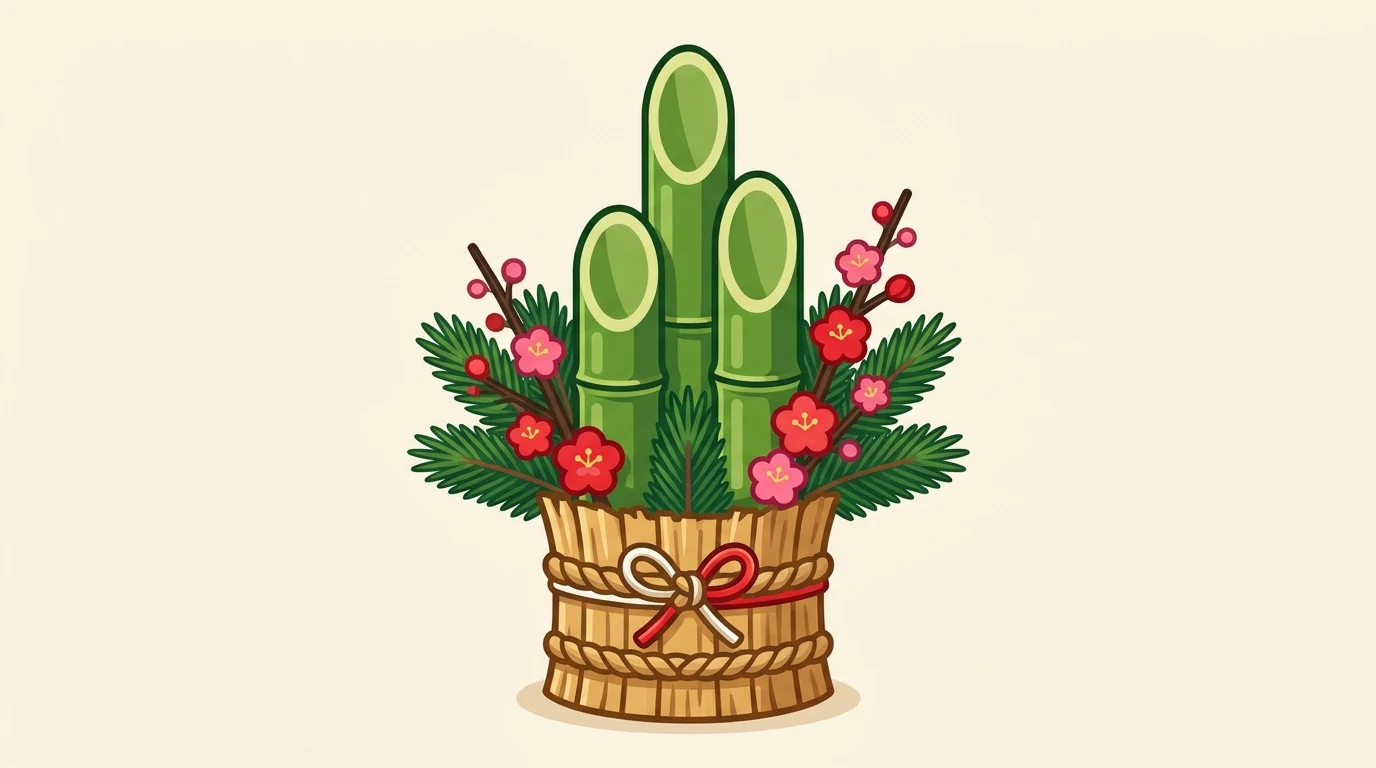
The 🎍 emoji represents a traditional Japanese pine and bamboo decoration associated with New Year celebrations, good fortune, and prosperity. It can also represent bamboo, greenery, or Japanese culture in a broader context.
The bamboo emoji 🎍 is often associated with nature, growth, peace, strength, and good fortune. It can add a natural and refreshing touch to messages about plants, gardens, the environment, and a peaceful lifestyle. Bamboo is known for its flexibility and ability to grow quickly, making it a meaningful symbol of resilience, patience, and personal growth. Whether you love greenery or want to express a calm and positive mood, bamboo-related emojis can help bring your messages to life.
If you are looking for a bamboo emoji to copy and paste, decorate a social media caption, or share your love of nature, this guide will help you understand its meaning and uses. You will also discover related plant emojis, creative combinations, and simple ways to use bamboo-themed symbols in texts, Instagram captions, and other online conversations. Although 🎍 represents a Japanese New Year pine decoration rather than bamboo itself, it can sometimes be used in nature-themed contexts. Understanding this difference will help you choose the right emoji for your message.
Bamboo Emoji 🎍 Copy and Paste
Want to use the bamboo emoji in a text message, social media caption, or blog post? Copy it from the line below.
🎍
You can paste it into WhatsApp, Instagram, TikTok, Facebook, emails, notes, and other applications that support emoji characters.
Here are a few ready to use combinations:
- 🎍✨ festive decoration or a fresh start
- 🎍🎉 New Year celebrations
- 🎍🍃 plants, greenery, or nature
- 🎍🇯🇵 Japanese culture or a Japan-related topic
- 🎍🌅 a new year or a new beginning
These combinations are creative suggestions, not official meanings. Choose the one that best fits your message.
What Does the Bamboo Emoji Represent?
The meaning of 🎍 depends on how it is used. Its traditional design gives it a clear connection to Japanese celebrations, but people may also use it more generally.
1. Japanese New Year Traditions
One of the strongest associations of 🎍 is Japanese New Year. The decoration is known as a kadomatsu, which traditionally combines bamboo and pine.
Kadomatsu arrangements are placed near entrances during the New Year season. They are associated with welcoming good fortune and inviting the presence of auspicious spirits.
For example:
“Getting ready for the New Year! 🎍✨”
This message suggests a festive seasonal atmosphere, particularly when the sender is discussing Japanese traditions.
2. Good Fortune and Prosperity
Because of its cultural connection with New Year celebrations, 🎍 can suggest good luck, prosperity, and hopeful beginnings.
Someone might include it in a greeting to wish friends or family a positive year ahead.
Example: “Wishing everyone happiness and success this year 🎍”
In this context, the emoji adds a traditional celebratory touch. It does not guarantee or promise good luck; it simply helps express the sentiment.
3. Bamboo, Plants, and Greenery
Although its official name refers to a pine decoration, the image prominently features bamboo shoots. That is why people may use 🎍 when talking about plants, gardens, or greenery.
For example:
“My new plant collection is growing! 🎍🌿”
Here, the emoji is being used decoratively rather than as a precise botanical symbol.
If you want to represent an ordinary bamboo stalk, a plant, or a leafy garden more directly, another plant emoji may be clearer.
4. Japanese Culture and Decorations
The 🎍 emoji can also appear in content about Japan, traditional decorations, cultural events, or Japanese New Year customs.
For example:
“Learning about Japanese New Year traditions today 🎍”
The emoji gives the message a cultural connection without requiring a lengthy explanation.
However, it does not represent every aspect of Japanese culture. Its most specific association is the traditional pine and bamboo New Year decoration.
How to Use the Bamboo Emoji in Text Messages
The 🎍 emoji works best when the conversation involves celebrations, cultural traditions, plants, or seasonal decorations.
Here are realistic examples of how it might appear in messages.
| Example Message | Likely Meaning | Context |
|---|---|---|
| “Happy New Year! 🎍” | Seasonal celebration and good wishes | A New Year greeting |
| “I love these traditional decorations 🎍” | Appreciation of a decorative arrangement | Discussing holiday displays |
| “Japan is on my travel list 🎍🇯🇵” | Japanese culture or travel interest | Planning a trip |
| “Wishing you a prosperous year 🎍✨” | Hope for success and good fortune | Sending a positive greeting |
| “Adding some greenery to the house 🎍🌿” | Plants or decoration | Talking about home decor |
| “Our Japanese culture project is ready 🎍” | A Japanese cultural topic | School or educational content |
These examples illustrate possible interpretations. The emoji alone cannot tell you exactly what the sender intends.
What Does 🎍 Mean on Social Media?
On social media, the bamboo emoji can help make a caption more visual or reinforce a seasonal or cultural theme.
On Instagram, 🎍 can accompany New Year photographs, decorative displays, travel pictures, or Japanese-inspired content.
Example: “Starting the year with fresh energy 🎍✨”
TikTok
On TikTok, the emoji may appear in captions or comments on videos about Japanese traditions, seasonal celebrations, or decorations.
Example: “A closer look at traditional Japanese New Year decor 🎍”
In WhatsApp messages, 🎍 can add a festive touch to greetings or conversations about plants and cultural celebrations.
Example: “Sending you good wishes for the year ahead 🎍”
On Facebook, the emoji may be used in holiday greetings, family updates, cultural posts, or seasonal decorations.
These are possible uses rather than platform-specific meanings. The symbol itself does not have a separate, fixed definition on each social network.
Bamboo Emoji 🎍 vs. Other Plant and Celebration Emojis
Several emojis can communicate ideas related to plants, greenery, celebrations, or new beginnings. However, they are not interchangeable in every situation.
| Emoji | Official Name | Common Meaning | Tone | When to Use It |
|---|---|---|---|---|
| 🎍 | Pine Decoration | Japanese New Year decoration and good fortune | Traditional, festive | Japanese New Year greetings |
| 🎋 | Tanabata Tree | Japanese Tanabata festival and wishes | Hopeful, celebratory | Festival posts and wishes |
| 🌱 | Seedling | Growth, new beginnings, and young plants | Fresh, optimistic | Personal growth or gardening |
| 🌿 | Herb | Herbs, leaves, and greenery | Natural, calm | Plant related messages |
| 🎄 | Christmas Tree | Christmas and holiday celebrations | Festive, joyful | Christmas greetings |
| 🎊 | Confetti Ball | Celebrations and happy occasions | Excited, playful | Parties and announcements |
| 🎉 | Party Popper | Congratulations and celebration | Energetic, cheerful | Birthdays and achievements |
| 🌳 | Deciduous Tree | Trees, forests, and nature | Natural, peaceful | Environmental or outdoor topics |
What Is the Difference Between 🎍 and 🎋?
The 🎍 emoji represents kadomatsu, a traditional pine and bamboo decoration associated with Japanese New Year. The 🎋 emoji is officially called Tanabata Tree and is associated with the Japanese Tanabata festival, when people traditionally write wishes on strips of paper and hang them on bamboo.
Both emojis have Japanese cultural connections, but their traditional uses differ.
What Is the Difference Between 🎍 and 🌱?
The 🌱 emoji represents a seedling and is often used for growth, fresh starts, and developing ideas. The 🎍 emoji has a more specific decorative and cultural meaning.
Use 🌱 when talking about personal development or new plants. Choose 🎍 when you want to reference a traditional Japanese decoration or New Year celebration.
What Is the Difference Between 🎍 and 🎄?
The 🎄 emoji represents a Christmas tree, while 🎍 represents a Japanese New Year decoration. Both can be used in seasonal greetings, but they refer to different traditions.
How to Copy and Paste the Bamboo Emoji on Different Devices
You do not need a special application to copy the bamboo emoji.
On Windows
- Copy this character: 🎍
- Open the application where you want to use it.
- Press Ctrl + V to paste it.
You can also press Windows key + . (period) to open the emoji picker and search for “pine decoration.”
On Mac
- Copy 🎍 from this page.
- Open your message or document.
- Press Command + V to paste it.
You can also open the Character Viewer with Control + Command + Space and search for the emoji by name.
On iPhone and Android
Copy 🎍 from this page and paste it into your preferred application. If your emoji keyboard supports searching by name, try searching for “pine decoration.”
The precise appearance can differ depending on the operating system, application, and emoji font.
Official Name and Unicode Details
The bamboo emoji is commonly searched for by its visual appearance, but its standardized identity is more specific.
- Emoji: 🎍
- Official Unicode name: Pine Decoration
- Unicode code point: U+1F38D
- Common visual elements: Bamboo shoots and pine branches
- Traditional cultural association: Japanese New Year
- Traditional decoration: Kadomatsu
- Unicode history: Approved as part of Unicode 6.0 in 2010 and included in Emoji 1.0 in 2015
The Unicode Consortium explains that emoji character names are identifiers and do not necessarily capture every meaning people attach to a symbol. Informal usage can vary by culture and context.
FAQs
Is 🎍 the official bamboo emoji?
Not exactly. Its official Unicode name is Pine Decoration. The image features bamboo shoots alongside pine branches, which explains why many people search for it as the bamboo emoji.
What does 🎍 mean in a text?
It can represent Japanese New Year traditions, festive decorations, good fortune, or plants and greenery. The exact meaning depends on the conversation.
Does 🎍 mean good luck?
It can suggest good fortune because of its association with kadomatsu and Japanese New Year traditions. However, it does not have a universal or guaranteed meaning of good luck.
Is 🎍 a Japanese emoji?
It has a strong connection to Japanese culture because it depicts a traditional New Year decoration. People may also use it in general plant-related or decorative contexts.
What is the difference between 🎍 and 🎋?
🎍 represents Pine Decoration, traditionally associated with Japanese New Year. 🎋 represents Tanabata Tree, associated with the Japanese Tanabata festival and its custom of writing wishes.
Can I use 🎍 outside New Year?
Yes. You can use it in posts about plants, decorations, Japanese culture, or gardening. Outside a New Year context, readers may interpret it more generally as a decorative plant symbol.
Why does the bamboo emoji look different on different devices?
Apple, Google, Microsoft, Samsung, and other vendors create their own emoji artwork. The details, colors, and decorative elements can vary even when the underlying Unicode character is the same.
Conclusion
The bamboo emoji 🎍 is more than a simple picture of a plant. Its official name, Pine Decoration, reflects its traditional Japanese design, which combines bamboo shoots and pine branches for New Year celebrations. It can suggest good fortune, seasonal festivities, Japanese culture, or greenery, depending on the context.If you want to share a traditional Japanese New Year greeting, 🎍 is a fitting choice. For general plant growth, 🌱 may be clearer, while 🎋 is more suitable for Tanabata-related messages.
Read More Articles
- What Does the Rose Emoji 🌹 Mean |Romantic Messages, Friendship and Symbolism In 2026
- Table Emoji 🏓 | Meaning, Symbol, Copy and Paste and Uses In 2026

Daniel Thompson is a content writer at EmojissLife.com, where he creates fun, relatable and easy-to-read emoji content that helps readers express every mood and moment. With a passion for digital communication and creative storytelling, he turns everyday emotions into engaging emoji guides and ideas.
3 thoughts on “Bamboo Emoji Meaning | Nature, Growth, Peace and Good Fortune In 2026”