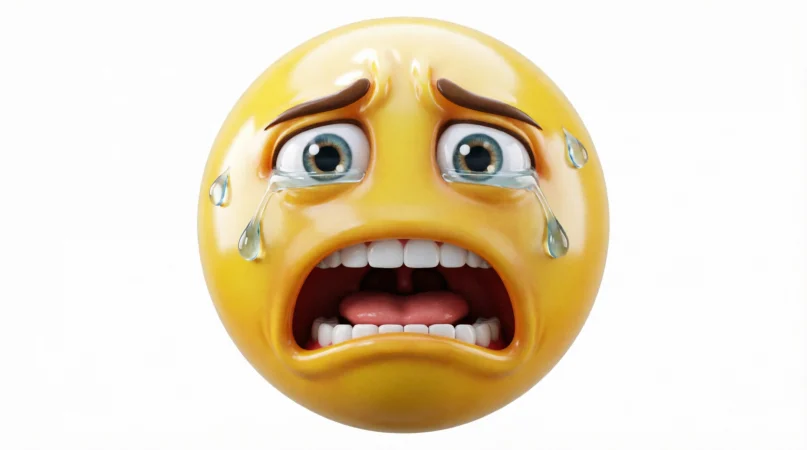
The 😧 Anguished Face emoji usually means distress, anxiety, fear, or worry. Its expression suggests that something feels troubling or emotionally overwhelming.
The 😧 emoji is officially called Anguished Face. It commonly expresses anguish, worry, fear, distress, or emotional discomfort. People use it in texts when something feels upsetting, frightening, stressful, or difficult to process.
The anguish emoji can also show surprise mixed with concern, especially when someone receives unexpected or troubling news. Depending on the conversation, it may communicate genuine emotional pain or a dramatic, playful reaction to a minor problem.
Its exact meaning depends on the message, the relationship between the people chatting, and the sender’s usual style. A single 😧 does not automatically mean someone is deeply upset or experiencing a serious problem.
Quick Answer: What Does 😧 Mean?
In a serious conversation, it may show sympathy or concern. In a casual chat, it can exaggerate a reaction to bad news, an awkward moment, or an unexpected situation.
What Does the Anguish Emoji Mean in Texts?
The 😧 emoji is a reaction to something that feels upsetting, alarming, or hard to believe. Its raised eyebrows and open, frowning mouth give it a worried, startled expression.
Here are the main ways people may use it in messages.
1. Emotional distress or upset
Someone may send 😧 when they hear disappointing news, face a difficult situation, or feel emotionally overwhelmed.
Example:
“I just found out my flight was canceled 😧”
The emoji communicates frustration or distress about the unexpected problem. It adds emotion without needing a long explanation.
2. Worry or concern
The emoji can also express concern about another person’s situation.
Example:
“My little brother has been sick all week 😧”
Here, the face may communicate worry or sympathy. The words surrounding it help show that the reaction is about concern rather than personal disappointment.
3. Shock or disbelief
Sometimes 😧 means that a message is surprising or difficult to process.
Example:
“You have to present in front of the whole class tomorrow 😧”
In this case, the sender may feel shocked, nervous, or caught off guard. The emoji does not necessarily indicate deep emotional pain.
4. Dramatic or humorous frustration
In casual conversations, people may use 😧 to make a small problem sound more dramatic.
Example:
“There’s no coffee left this morning 😧”
The reaction is probably playful exaggeration rather than genuine anguish. The everyday situation makes the tone lighter.
Is 😧 a Sad, Scared, or Shocked Emoji?
It can communicate all three, which is why people sometimes interpret it differently.
The official name, Anguished Face, points toward distress. However, the facial expression also suggests surprise, alarm, and concern. Emojipedia describes its possible meanings as including alarm, confusion, and sadness.

Meaning, Copy And Paste
| Situation | Possible interpretation |
|---|---|
| Receiving upsetting news | Distress or sadness |
| Hearing unexpected information | Shock or disbelief |
| Facing a stressful task | Worry or anxiety |
| Seeing something frightening | Fear or alarm |
| Reacting to a small inconvenience | Playful exaggeration |
The important distinction is that the emoji shows an emotional reaction, not the exact reason behind it. The message itself provides that missing information.
😧 vs. Similar Emojis: What’s the Difference?
Several face emojis have open mouths, raised eyebrows, or distressed expressions. They can look similar, but their emotional emphasis is different.
| Emoji | Official Name | Common Meaning | Tone | Where or When It Is Used |
|---|---|---|---|---|
| 😧 | Anguished Face | Distress, alarm, worry | Troubled, startled | Upsetting news, stressful situations, concerned reactions |
| 😦 | Frowning Face with Open Mouth | Concern, surprise, dismay | Uneasy, surprised | Unexpected information or disappointing news |
| 😨 | Fearful Face | Fear, fright, worry | Scared, tense | Frightening situations or nervous reactions |
| 😰 | Anxious Face with Sweat | Anxiety, nervousness, pressure | Stressed, uneasy | Deadlines, uncertainty, and stressful events |
| 😢 | Crying Face | Sadness, hurt, disappointment | Sad, emotional | Sympathy, loss, or disappointing experiences |
| 😭 | Loudly Crying Face | Intense sadness or dramatic emotion | Overwhelmed, dramatic | Strong reactions, heartbreak, or exaggerated frustration |
| 😱 | Face Screaming in Fear | Terror, extreme shock | Intense, alarmed | Frightening surprises or dramatic disbelief |
| 😖 | Confounded Face | Frustration, distress, confusion | Frustrated, strained | Difficult problems or situations that feel unbearable |
These official emoji names appear in Unicode’s emoji charts.
Unicode
+1
Anguished Face 😧 vs. Fearful Face 😨
These two emojis are especially easy to confuse because they share a similar open-mouthed, worried expression on many platforms.
The 😧 Anguished Face often suggests a mixture of distress, alarm, and surprise. The 😨 Fearful Face places more emphasis on being scared or frightened.
For example:
- “I can’t believe the exam is tomorrow 😧” suggests dismay or alarm.
- “I heard someone breaking into the house 😨” suggests fear.
Neither interpretation is fixed. The surrounding words determine whether the sender is distressed, frightened, or simply surprised.
Anguished Face 😧 vs. Anxious Face with Sweat 😰
The 😰 emoji includes a sweat detail that makes it particularly useful for expressing nervousness, pressure, or anxiety.
Use 😧 when the main reaction is alarm or emotional distress. Use 😰 when you want to emphasize feeling nervous, stressed, or under pressure.
For instance, “I have three assignments due tonight 😰” suggests stress about a workload, while “I just realized I missed the deadline 😧” communicates shock and dismay.
Anguished Face 😧 vs. Crying Face 😢
The 😢 Crying Face has a visible tear and a more direct association with sadness. The 😧 Anguished Face does not have a tear and can express alarm or shock as well as distress.
If someone shares sad news, 😢 may communicate sympathy or sadness more clearly. If the news is upsetting and unexpected, 😧 may fit the initial reaction.
What Does It Mean When Someone Sends 😧?
When someone sends you 😧, the most likely interpretation is that they are reacting emotionally to something in the conversation.
The exact meaning depends on what you said, what happened before the message, and how that person normally communicates.
For example:
Concern
You: “I have been feeling really overwhelmed lately.”
Them: “Oh no 😧 Are you okay?”
The words and emoji together suggest concern and a desire to check on you.
Surprise
You: “I got accepted into the program!”
Them: “Wait, seriously? 😧”
Here, the emoji may show surprise or disbelief rather than sadness.
Playful reaction
You: “They ran out of my favorite dessert.”
Them: “Nooo 😧”
The dramatic expression may be a lighthearted reaction to a minor disappointment.
Does 😧 Mean Someone Is Angry or Upset With You?
Not necessarily. Although the emoji can express distress or dismay, it does not automatically mean the sender is angry at you.
If someone sends 😧 after you share unexpected news, they may simply be surprised. If it follows a disagreement, it could communicate discomfort, concern, or frustration.
Look at the actual words and the conversation before drawing a conclusion. If the message is unclear and the issue matters, asking what they mean is more reliable than interpreting the emoji alone.
Is the Anguish Emoji Flirty or Romantic?
The 😧 emoji is not inherently romantic or flirty. Its usual associations are distress, worry, alarm, and surprise.
In a playful conversation with someone you’re dating, it could be part of a teasing reaction.
For example:
“You really forgot our movie night? 😧”
This could be playful disappointment between people who know each other well. But the same emoji in a different conversation could simply express genuine concern.
The emoji alone cannot establish attraction, romantic interest, or rejection. The relationship, surrounding words, and established communication style matter more.
How to Respond to 😧 in a Text
A good response depends on what the sender is reacting to. You do not need to match the exact emoji; responding to the emotion or situation is usually enough.
Natural replies for different situations
If they seem worried
“Don’t worry, I’ll be okay. Thanks for checking in.”
If they are shocked
“I know, I couldn’t believe it either!”
If they are reacting to bad news
“Yeah, it’s been a rough day. I appreciate you listening.”
If you’re unsure what they mean
“Wait, what part surprised you?”
If the situation is serious, a thoughtful response is more helpful than sending another dramatic emoji. If the exchange is lighthearted, a playful reply may fit naturally.
Official Name and Unicode Details
The official Unicode name for 😧 is Anguished Face.
Emoji
😧
Official name
Anguished Face
Unicode code point
U+1F627
Unicode approval
Unicode 6.1 (2012)
Emoji version
Emoji 1.0 (2015)
The character was approved as part of Unicode 6.1 in 2012 and added to Emoji 1.0 in 2015.
Meaning, Copy And Paste
Its appearance can vary across Apple, Google, Samsung, and other platforms. Differences in eyebrow shape, mouth design, color, or facial details may affect how intense the expression looks.
However, the underlying character remains the same. Platform artwork does not create a separate official meaning for the emoji.
Frequently Asked Questions
What does 😧 mean from a friend?
It may show that your friend is worried, surprised, upset, or reacting to unexpected information. The surrounding conversation helps identify the intended emotion.
Is 😧 a negative emoji?
It generally communicates an uncomfortable emotion, such as distress, fear, or concern. However, it can also be used playfully to exaggerate a reaction to something minor.
What is the difference between anguish and anxiety emojis?
The 😧 Anguished Face tends to communicate distress, alarm, or dismay. The 😰 Anxious Face with Sweat more clearly emphasizes nervousness, pressure, or anxiety. Both can express worry, and their meanings may overlap.
Can 😧 be used sarcastically?
Yes. Someone might use it to exaggerate a reaction to a small inconvenience or make a dramatic joke. Sarcasm is more likely to be understood when the surrounding words or conversation are clearly playful.
How do I copy the anguish emoji?
You can copy the character directly from here:
😧
Anguished Face Copy emoji
Conclusion
The 😧 Anguished Face emoji expresses distress, worry, alarm, or a startled reaction. It can communicate genuine concern in a serious conversation or playful dismay in a casual chat.
Its meaning is not determined by the emoji alone. The words, situation, and sender’s usual communication style provide the clearest clues to what the person intends.

Michael Anderson is a content writer at EmojissLife.com, where he creates fun, relatable, and easy-to-read emoji guides, meanings and creative ideas. He enjoys turning everyday conversations into expressive content that helps readers find the perfect emojis for every mood and moment.